

Staffing is the single largest cost in running a childcare centre — and the single biggest headache. Wages consume 55% to 85% of a centre’s total operating costs, according to the ACCC’s Childcare Inq

Feasibility Study for a New Childcare Centre: What to Include
A feasibility study is the difference between a childcare development that generates strong returns and one that bleeds cash for years. Yet most developers skip it — or worse, rely on a one-page deman

Leasehold vs Freehold Childcare: What’s the Difference in Value?
A childcare centre listed at $1.5 million and another listed at $8 million can generate the exact same revenue. The difference? One is a leasehold business. The other is a freehold property. If you do
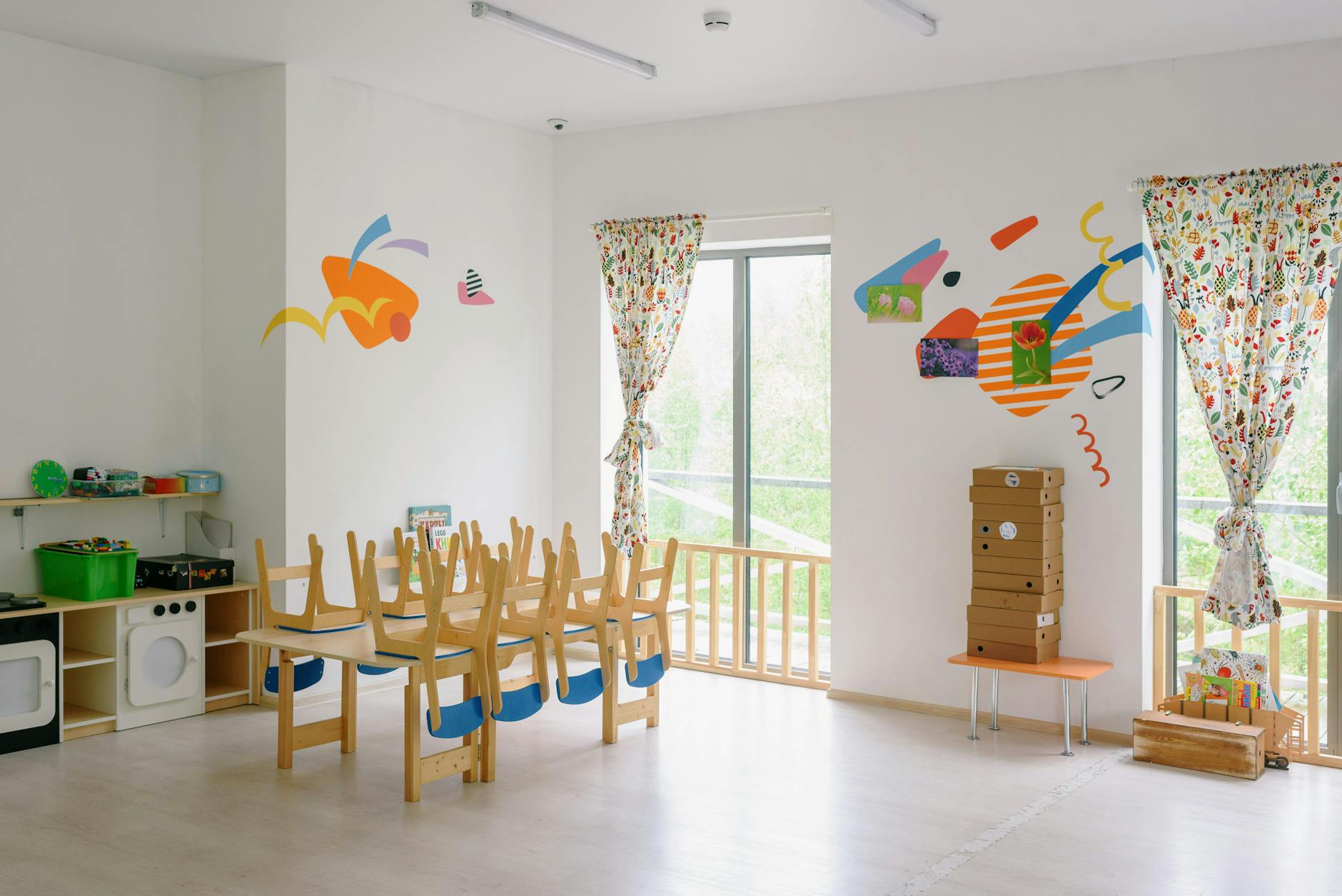
How to Sell Your Childcare Centre: A Complete Guide for Owners
Selling a childcare centre is one of the most significant financial decisions you will make as an owner — and one of the most complex. Unlike selling a standard retail or hospitality business, a child
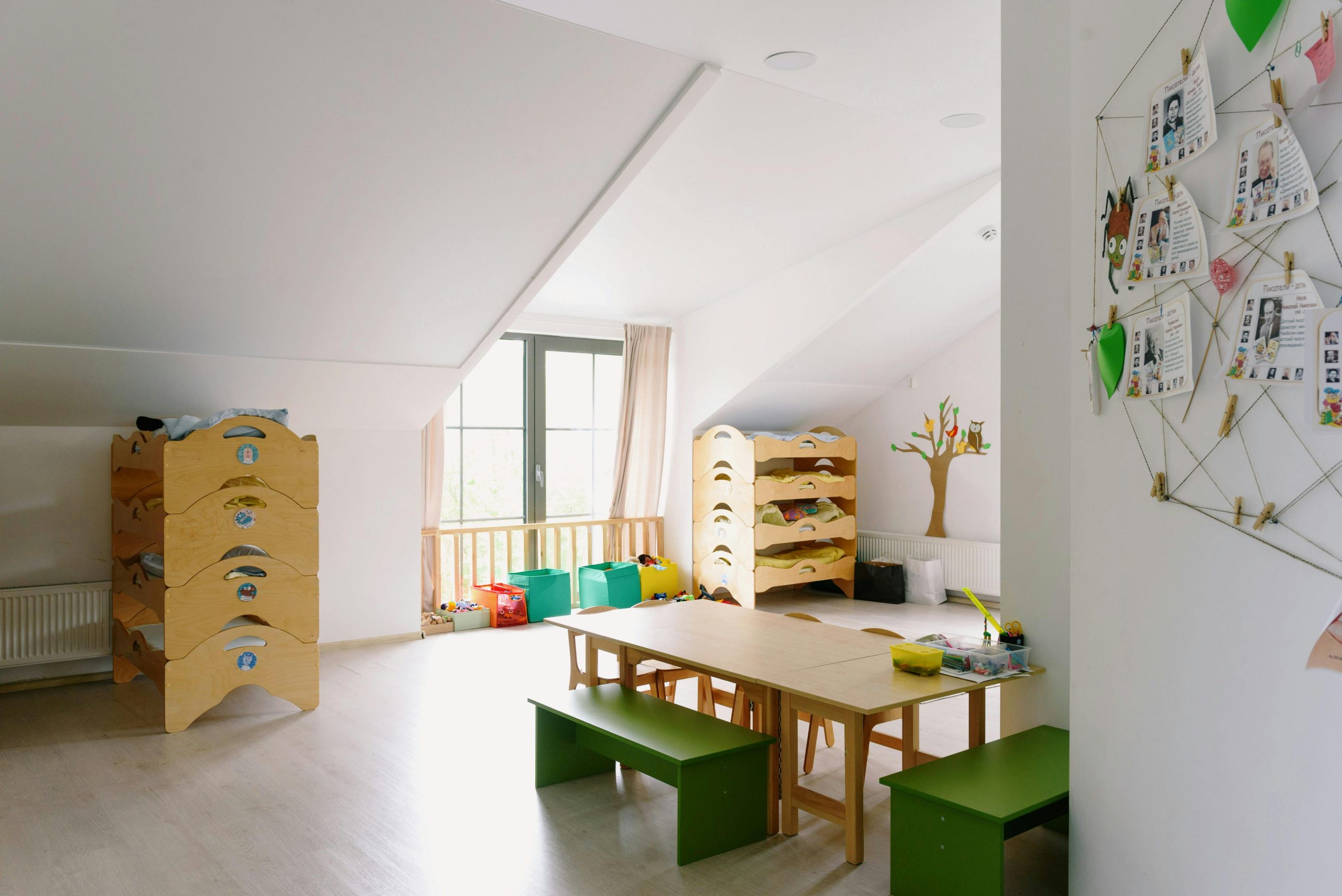
How to Buy a Childcare Centre in Australia: Step-by-Step Guide
How to Buy a Childcare Centre in Australia: Step-by-Step Guide Buying a childcare centre is one of the most rewarding — and complex — business acquisitions you can make in Australia. The sector is underpinned by government subsidies, growing demand, and long-term demographic tailwinds. But the process is unlike buying a café or a retail shop. Regulatory approvals, lease structures, staffing ratios, and occupancy dynamics all shape the deal in ways that catch first-time buyers off guard. This guide walks you through the entire buying process, from initial search to settlement day, based on what we see working (and failing) in real transactions. Step 1: Define What You Are Actually Buying Before you start browsing listings, get clear on the type of acquisition. Childcare centre purchases fall into three broad categories: Leasehold business only — You buy the operating business (goodwill, enrolments, staff, equipment) and take an assignment of the existing lease. You do not own the building. This is the most common transaction type, typically ranging from $500,000 to $3 million depending on location and occupancy. Freehold plus business — You buy both the property and the operating business. This suits investors who want the rental income security of owning the building and the operational upside. Freehold childcare properties have traded anywhere from $2 million to over $10 million in recent years, depending on the market. Freehold investment only — You buy the property with a childcare tenant in place and collect rent. No operational involvement. This is a passive investment, valued using capitalisation rates rather than EBITDA multiples. Each of these has different risk profiles, financing structures, and return expectations. Knowing which one you want before you start looking will save you months of wasted effort. ChildcareLink Insight: Most first-time buyers begin looking at leasehold businesses because the entry price is lower. But the lease terms often determine whether the business holds its value long-term. A cheap business with a short lease and no options can be worth less than you paid within five years. Always assess the lease before the P&L. Step 2: Search and Shortlist Childcare centres come to market through specialist brokers, commercial real estate agents, and occasionally through private sale. Unlike residential property, many childcare transactions happen off-market — sellers want confidentiality to avoid unsettling staff, parents, and competitors. When evaluating a listing, look at these factors first: Location and demographics — Is the centre in a growth corridor? What is the child population density within a five-kilometre radius? Areas with young families, new housing estates, and limited competing supply command stronger valuations. The Australian Bureau of Statistics (ABS) publishes population projections by local government area (LGA), which is the starting point for any location analysis. Approved places and licence capacity — A 60-place centre and a 120-place centre are fundamentally different businesses. Check the service approval for the maximum number of children allowed, broken down by age group. The approved capacity is your revenue ceiling. Lease terms — For leasehold acquisitions, the remaining lease term (including options) is critical. Buyers and lenders both want to see at least 10–15 years of remaining tenure. Anything less compresses the business value and makes financing harder. Step 3: Understand the Valuation Childcare businesses in Australia typically trade at three to five times adjusted EBITDA, according to industry transaction data. But the word “adjusted” carries enormous weight. The EBITDA figure on a centre’s profit and loss statement almost never represents what a buyer should model. Owner salaries above market rate, personal expenses run through the business, rent that is above or below market, one-off maintenance costs, and unusual CCS (Child Care Subsidy) income patterns all need normalising before you arrive at a true earnings figure. The multiple you pay depends on several factors: Occupancy — A centre running at 90%+ occupancy commands a higher multiple than one at 65%. Lease security — Longer remaining lease terms support higher multiples. Location — Metropolitan centres in high-demand areas trade at premiums over regional sites. NQF rating — Centres rated “Exceeding” under the National Quality Standard (NQS) by ACECQA are more attractive to buyers and often justify a pricing premium. Age mix — Centres with strong enrolment in the 0–2 age group (which carries higher fee rates) tend to produce better margins. ChildcareLink Insight: We regularly see a 20–40% gap between stated EBITDA and adjusted EBITDA across our transactions. Buyers who skip the adjustment process overpay. Sellers who do not prepare adjusted financials lose credibility with serious buyers. The adjustment is where the real negotiation begins. Step 4: Conduct Due Diligence Due diligence on a childcare centre covers more ground than a standard business purchase. Beyond the financials, you need to investigate regulatory compliance, physical condition, staffing, and operational risk. Financial due diligence — Request at least three years of profit and loss statements, BAS returns, CCS reconciliation reports, and debtor ageing. Verify enrolment numbers against actual attendance records — the gap between enrolled families and families who actually attend tells you about revenue reliability. Regulatory compliance — Obtain the centre’s most recent NQF assessment and rating from ACECQA. Check for any compliance notices, enforcement actions, or conditions on the service approval. A centre with a “Working Towards” rating on staffing or safety may require immediate investment to bring up to standard. Lease review — Have a commercial lease specialist review the lease in detail. Key items include rent escalation mechanisms (CPI, fixed, or market review), make-good obligations, permitted use clauses, assignment and subletting rights, and any landlord consent requirements for the sale. Physical inspection — Engage a building inspector experienced with childcare facilities. Check for compliance with the National Construction Code, fire safety systems, outdoor play space requirements (a minimum of 7 square metres of unencumbered outdoor space per child under the National Regulations), fencing, and kitchen facilities. Staffing — Review staff contracts, qualifications, and tenure. Under the National Regulations, every childcare service must have a qualified Educational Leader and meet specific educator-to-child ratios (1:4 for children aged…
Childcare Centre Rental Appraisal: What Landlords Need to Know
Most landlords who own childcare property have no idea whether the rent they’re receiving is fair. They signed a lease five or 10 years ago, annual increases have ticked along at CPI or a fixed percen
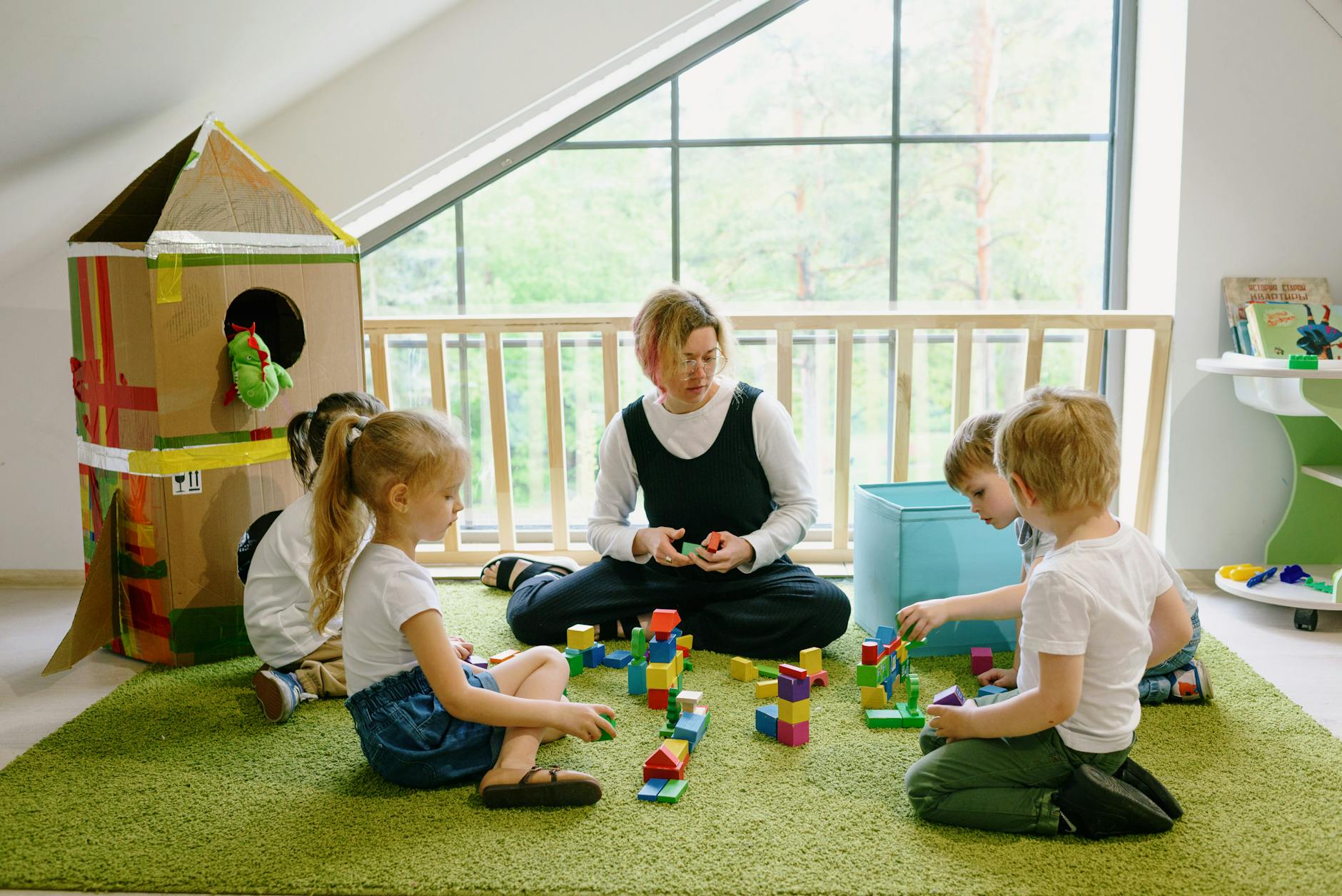
Should You Sell Your Childcare Centre Now? (2026 Market Update)
The Australian childcare market is in one of the strongest selling windows we have seen in years. Buyer demand is outstripping supply, yields are compressing, and centres are trading faster and at hig

How to Increase Occupancy at Your Childcare Centre
Occupancy is the single most important number in your childcare centre’s P&L. A centre running at 65% occupancy and one running at 85% might have the same rent, the same staffing structure, and the sa

Is a Childcare Centre a Good Investment? An Honest Analysis
Childcare is a $24 billion industry in Australia, backed by over $15 billion a year in government subsidies, with long leases and structural demand that most commercial assets can only dream of. On pa

Franchise vs Independent Childcare Centre: Pros and Cons
Every buyer who walks into our office eventually asks the same question: should I buy into a franchise, or go independent? It sounds like a simple choice, but the answer shapes everything — your daily